
Live-in Care vs Care Home: What’s Better in the UK?
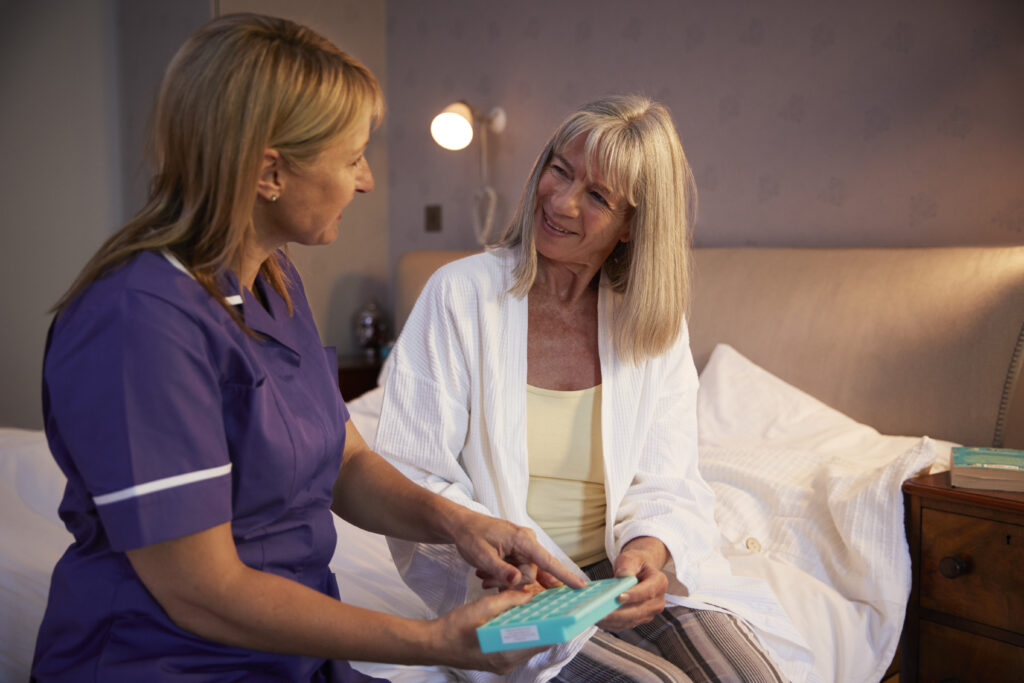
Choosing between live-in care vs care home is one of the most important decisions a family can face. Whether you are planning or responding to an urgent need, the right choice depends on your loved one’s health, preferences, and lifestyle. In the UK, more families are now exploring alternatives to care homes that allow older people to stay in the comfort and familiarity of their own home. This guide breaks down both options clearly, with real costs and honest comparisons, so you can decide with confidence.
What Are the Elderly Care Options in the UK?
Before comparing the two, it helps to understand what each option involves. The main elderly care options in the UK are:
- Live-in care: a professional carer moves into the person’s home and provides support around the clock.
- Care homes: residential facilities where older people live alongside others and receive shared care from staff on rotation.
- Nursing homes: similar to care homes but with registered nurses on site for more complex medical needs.
- Domiciliary care: a carer visits at agreed times but does not live in.
For families who want consistent, personalised support without uprooting their loved one, home care for the elderly has become the go-to solution across the UK, particularly in London and the South East, where demand continues to grow.
Advantages of In-Home Care
Live-in care offers a level of personal attention that a shared care environment simply cannot match. Here is why so many families are choosing it:
- One-to-one care, all day and night: Your loved one always has the same dedicated carer, not a rotating team of unfamiliar faces.
- Stay at home: Familiar surroundings, routines, and belongings are preserved, which is especially important for people living with dementia or anxiety.
- Personalised meals and activities: Everything is arranged around the individual, from meal times to preferred hobbies and outings.
- Family stays involved: Visits are unrestricted, and families can see their loved one whenever they choose, without booking in advance.
- Pets can stay: Older people do not have to give up a beloved pet, which is one of the most common worries families raise about care homes.
- Continuity of care: The same carer builds a genuine relationship with your loved one over time, which is proven to improve wellbeing and reduce confusion.
If your loved one is living with cognitive decline, dementia care at home has been shown to reduce anxiety and support wellbeing by keeping the person in a familiar environment with consistent, known faces.
Disadvantages of Living in a Care Home
Care homes can offer a good level of support for people with high medical needs, but there are real drawbacks that families often only discover after a loved one has moved in:
- Loss of independence: Fixed mealtimes, shared lounges, and institutional timetables can feel very restrictive for someone who has spent decades living on their own terms.
- Less personalised attention: Staff are shared across all residents. During busy periods, your loved one may wait longer for help with personal care, medication, or comfort.
- Emotional impact of moving: Leaving a family home can be deeply distressing, particularly for people living with dementia, who may become more confused in an unfamiliar environment.
- Restricted visiting: Some homes have set visiting windows, making spontaneous family time harder and sometimes causing unnecessary distress.
- Variable quality: Care home standards vary significantly across the UK. CQC ratings are helpful, but not the full picture, and finding a genuinely good home takes time and research.
- Hidden extra charges: Many families are surprised to find that standard fees do not cover hairdressing, outings, toiletries, or transport, which add up over time.
These are not reasons to rule out a care home entirely, but they are important factors to weigh up honestly before making a decision.
Live-in Care vs Care Home: A Side-by-Side Comparison
Use this table to compare the two options at a glance. Costs reflect 2025/26 UK averages for self-funding individuals.
| Factor | Live-in Care | Care Home |
| Setting | Your own home | Shared facility |
| One-to-one care | Yes, always | Shared staff |
| Avg. weekly cost* | £900 to £1,800+ | £949 to £1,535+ |
| Routine & independence | Fully preserved | Structured schedule |
| Dementia care | Highly effective | Possible in specialist units |
| Family visits | Unrestricted | Visiting hours apply |
| Funding eligibility | NHS CHC, Attendance Allowance | Local authority (means-tested) |
Live-in Care vs Care Home Cost
Cost is one of the biggest factors for families, and the comparison is far closer than most people realise. Here is a clear picture of what you can expect to pay in 2025/26.
How Much Does Live-in Care Cost?
Live-in care in the UK typically costs between £900 and £1,800 per week, with most families paying around £1,200 to £1,500 per week for standard care without complex nursing needs. Monthly, this equates to roughly £3,900 to £6,500. Costs are higher in London and the South East, and increase further for specialist conditions such as dementia or Parkinson’s.
For couples, live-in care is particularly cost-effective. Only one carer is needed for two people, often with a small supplement, compared to two separate care home placements that each carry their own full fee.
How Much Does a Care Home Cost?
According to Age UK, the average weekly care home fee is £949 for residential care and £1,267 for nursing care across the UK. Self-funder data from carehome.co.uk (September 2025) places the figure higher, at £1,298 for residential care and £1,535 per week for nursing home care. Specialist dementia nursing care averages £1,564 a week. Annually, this can reach over £80,000.
It is also worth understanding how funding works. In England, local authority support is means-tested. If your loved one has assets above £23,250 (the upper capital limit set by the government for 2025/26, per GOV.UK), they will need to fund their own care in full. This threshold has been frozen at its current level for 15 consecutive years.
When you factor in the one-to-one nature of live-in care, many families find it offers comparable or better value than a care home, especially once hidden care home extras are accounted for.
To understand exactly what elder live in care would cost for your specific situation, speaking with a specialist care adviser is the clearest next step.
Who Can Help Pay for Care?
Before committing to either option, it is worth understanding what financial support may be available. Many families do not realise that funding can apply to both live-in care and care homes.
| Funding route | Who it covers | Applies to |
| NHS Continuing Healthcare (CHC) | Anyone with a primary health need | Both care home and live-in care |
| Local authority support | Assets below £23,250 (England) | Care home and home care |
| Attendance Allowance | Pension age, assessed care needs | Live-in and visiting care |
| Self-funding | Assets above £23,250 | Both options |
NHS Continuing Healthcare (CHC) is the most significant route: it covers the full cost of care for anyone assessed as having a primary health need, regardless of their savings. It applies to both live-in care and care homes and is not means-tested. Families often miss out on CHC because they are not told to apply. Always ask the GP or local authority for a CHC assessment before assuming costs will fall entirely on the family.
Pros and Cons of Live-in Care
Pros
- One-to-one care in a familiar home environment, available day and night
- Full flexibility around routines, meals, activities, and preferences
- Better outcomes for people living with dementia, anxiety, or conditions that worsen with change
- Family can visit freely, without set hours or advance notice
- Continuity — the same carer builds a genuine relationship over time
- Cost-competitive, especially for couples or when comparing against nursing home fees
Cons
- Requires a spare room of adequate size for the live-in carer
- May feel intrusive for people who strongly value complete privacy
- The right carer match matters — a poor personality fit can cause unnecessary stress
- Emergency cover (if the carer is unwell) needs to be arranged by the provider
Pros and Cons of Care Homes
Pros
- Suited to people with high-dependency medical needs requiring 24-hour nursing
- Structured social activities and peer interaction, which some older people genuinely enjoy
- On-site nursing support without the need to arrange GP visits for minor issues
- No home maintenance responsibilities for the individual or their family
Cons
- Shared care means your loved one does not receive undivided individual attention
- Loss of home, pets, and established routines, which can cause significant distress
- Quality varies widely across providers, and CQC ratings do not capture everything
- The emotional impact of moving into residential care should not be underestimated
- Extra charges for hairdressing, outings, and toiletries are common and not always disclosed upfront
Which Option Is Right for Your Loved One?
There is no single correct answer, but these indicators make the choice much clearer for most families:
Live-in care is usually the better fit when:
- Your loved one wants to remain in their own home and keep their familiar routine
- They are living with dementia and benefit from a stable, known environment
- The family wants to stay closely involved in daily care and visit freely
- If they have a pet or strong community ties, they are not ready to leave behind
- You are weighing up costs for a couple, where live-in care becomes notably cost-effective
A care home may be the right option when:
- The person needs round-the-clock nursing or specialist medical intervention that requires clinical equipment
- The home environment is no longer safe or structurally suitable for the level of care needed
- The individual genuinely thrives in group settings and would welcome the social structure
- The family situation makes it difficult to support a carer based in the home
Ready to Find Out What Live-in Care Could Look Like for Your Family?
At Altay Care, we match families across London and the South East with experienced, compassionate live-in carers. Whether you are just starting to research alternatives to care homes or ready to take the next step, our team is here to guide you through every decision without pressure and without jargon.
Contact Altay Care today for a free, no-obligation conversation about your loved one’s needs. Visit altaycare.co.uk or call us to speak with a care adviser.